




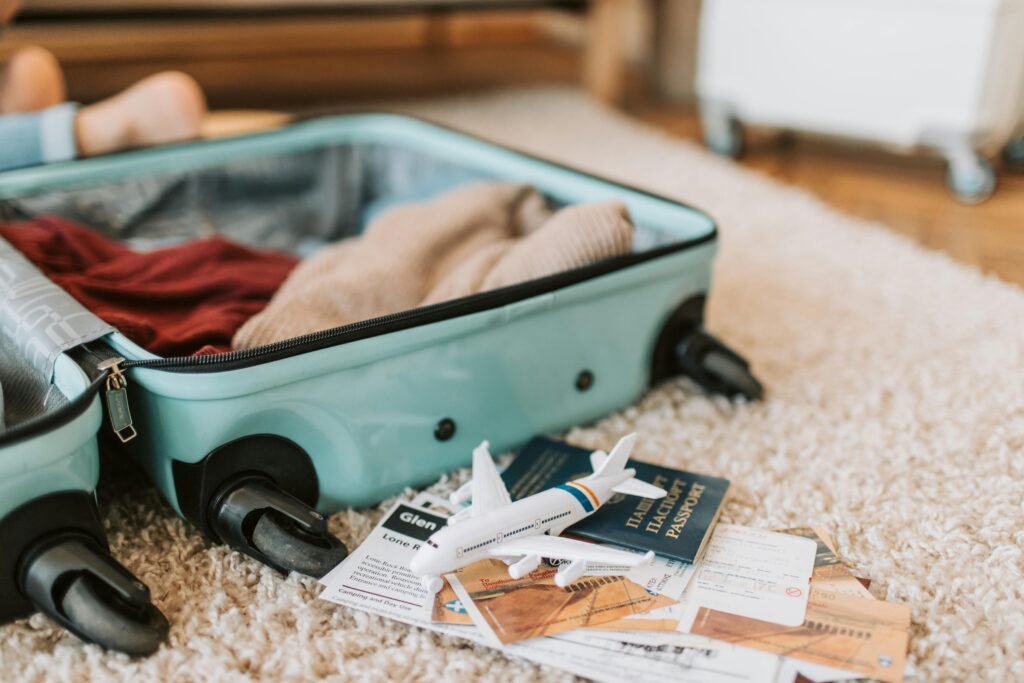
The Post-Holiday Slump: When “Paradise” Collides With Reality
The long holiday we just had was, for most of us, the golden break we had all been waiting for. Nearly a whole week with no deadlines, no alarm clocks, just trips, family meals, or simply the quiet luxury of time to yourself. But when the last ride home rolls back into the city, when the suitcase gets shoved into the corner of the room and the work screen replaces the hotel window view, a feeling creeps in that’s hard to name. Not quite sadness. Not quite exhaustion. Just… emptiness. Like stepping out of a beautiful dream before you could memorize the details.
Why do we feel more drained after a break than before it? Why does a perfectly ordinary life, one that was fine just last week, suddenly feel so flat and heavy?
Post-Vacation Blues: It’s Not Just “Laziness”
Many of us fall into the trap of blaming ourselves, telling ourselves we’re undisciplined or unmotivated when we can’t snap back into work mode after a holiday. But from a psychological standpoint, what we’re experiencing has a name: Post-Vacation Blues, also known as Post-Holiday Syndrome.
First documented in research literature as far back as the 1950s, the syndrome describes a range of negative emotional states, from vague anxiety and nostalgia to disrupted sleep and prolonged difficulty concentrating. While it hasn’t been formally classified as a medical condition, psychologists confirm it can meaningfully reduce work performance and strain personal relationships if left unaddressed. At its core, it’s a mild form of psychological shock, what happens when the mind is forced to shift gears too suddenly.
The Psychology Behind the Feeling
To understand why the post-holiday slump hits as hard as it does, we need to look at the complex psychological machinery running beneath the surface.
Happy Hormones in Freefall
Throughout a long break, your brain is essentially swimming in new experience, freedom and excitement. These experiences trigger a surge of Dopamine (the reward hormone) and Endorphins (the feel-good, pain-relief hormones).
Dr. Eileen Kennedy-Moore points out that when the holiday ends, this supply gets cut off abruptly. Your body goes through something resembling a mild withdrawal. The sudden drop in Adrenaline tanks your energy levels, producing that foggy, listless state many of us jokingly describe as “running on empty.”
When the Brain Starts Comparing
Your brain doesn’t evaluate the present on its own terms. It constantly holds it up against what came before. After days spent in open spaces, fresh air, or the warmth of family, returning to four office walls creates what psychologists call a Contrast Effect
The clash between “freedom” and “responsibility” makes even the most ordinary daily tasks feel heavier and more suffocating than they actually are. It’s as if you’ve been handed a sentence after a brief taste of something better.
The Memory Trap
Dr. Melissa Weinberg points out that the brain automatically applies a filter to the past, keeping the highlights and quietly discarding the rest. We forget the hours stuck in traffic under 38-degree heat during the April 30th holiday. We forget the overcrowded tourist spots, the overpriced restaurants, the underwhelming service. What remains are only the most luminous moments. When you compare a present full of problems to a past that your brain has already retouched, disappointment is inevitable. We don’t remember the holiday as it actually was. We remember the ideal version of it.
The Paradox of Holiday Exhaustion
Many people assume that five days of travel equals five days of rest. In reality, especially with Vietnam’s culture of non-stop sightseeing, late-night gatherings and eat-until-you-can’t meals, your body is actually running at high intensity the entire time. The disrupted sleep schedule, the excessive intake of sugary, greasy food and alcohol (all of which research links to increased risk of depression) leaves your immune system and nervous system genuinely depleted. You come home carrying a health debt bigger than the one you left with.

The Impact on Performance and Mental Health
Left unrecognized and unaddressed, this hollow feeling can quietly overstay its welcome, hardening into chronic low motivation, disengagement from work, or even a creeping resentment toward everyday life itself. What makes it more dangerous is that most people don’t realize this is a completely normal psychological response. Instead, they turn inward and blame themselves for “not appreciating what they have.” That cycle, feeling hollow, then guilty, then hollow again, is where the real damage happens.
- Brain Fog: You sit in front of the screen but your mind is still somewhere on a beach. Mistakes start slipping through at work.
- Irritability: Patience wears thin, with colleagues, clients, and even the people closest to you.
- The quiet Karoshi effect: A lack of quality rest, or not knowing how to properly recover after a break, can quietly pave the way to full burnout. A holiday is supposed to be medicine. Used the wrong way, it becomes another burden.
Making the Return Something You Can Actually Handle
Getting through this feeling isn’t about forcing yourself to forget the holiday. It’s about learning to carry the best parts of it forward into everyday life. Instead of treating a holiday as a bubble completely sealed off from reality, the goal is to gradually close the gap between the two worlds.
Phase 1: The Buffer Zone
Never expect yourself to operate at full capacity on the first day back. Treat the first few days as a transition period, not a performance.
- Tidy your space: Doing the laundry, unpacking the suitcase, and clearing your desk carries more psychological weight than it seems. It sends a signal to your brain that one chapter has closed and a new one is beginning.
- Ease back into tasks: Don’t try to tackle everything at once. Sort what’s in front of you into three simple buckets: deal with now, think about later, and can wait. Having that structure helps you avoid feeling overwhelmed before you’ve had a chance to find your footing again.
Phase 2: Reset Your Biological Clock
The body runs on routine. The disruption of a holiday throws off the internal clock you had before you left.
- Prioritize sleep: Return to a consistent bedtime. Deep, quality sleep is the most effective way for the brain to rebalance its Adrenaline and Dopamine levels.
- Eat to recover: After days of indulgent meals, lean toward whole foods, drink more water, and cut back on sugar and alcohol. This helps lift brain fog and gradually improves mood without forcing it.

Phase 3: Bring the Joy Home With You
You don’t have to wait for the next long holiday to allow yourself small moments of pleasure. They can exist in ordinary days too.
- Seek out micro-joys: If you loved lingering over a slow morning coffee during the trip, carve out 15 minutes to do the same at home before work. Small rituals carry more weight than we give them credit for.
- Reconnect with people around you: Instead of going quiet and heads-down on the first week back, use breaks to swap holiday stories with colleagues. Sharing positive experiences out loud helps reduce the loneliness of returning to the grind.
Phase 4: Set Boundaries With Social Media
In the digital age, it’s easy to fall into the habit of endlessly posting holiday photos and watching the likes roll in. Without realizing it, this keeps us living too much in the past and disconnected from the present.
Try setting a daily “Digital Detox” window each evening to give your mind genuine stillness.
Self-Care Is Not an Event. It’s a Practice.
We tend to treat holidays as rewards earned after stretches of hard work. But if we spend our lives just waiting for the next one, then everything in between becomes something to endure.
The real key to moving through the post-holiday slump is this: build a life you don’t feel the need to escape from. Adjustment takes time and patience. Be kind to yourself in these first few days. If you feel slower than usual, let that be part of the recovery process rather than a reason for self-criticism.
The energy from a good holiday shouldn’t be burned off immediately. It should be converted into something useful, better focus, more intention, a renewed sense of purpose that sets the stage for even better trips ahead.
A closing thought: tomorrow morning, instead of sighing at the thought of going back to work, try smiling at the fact that you had something worth missing. Reality may not look as polished as your Instagram feed, but it’s where you create value, where you find the people who matter, and where the next adventure quietly begins.

References
Ahuja, N. (2023) Vacation Blues: Why Post-Holiday Relaxation Vanishes Quickly. Psychology Today. https://www.psychologytoday.com/intl/blog/striving-high/202306/vacation-blues-why-post-holiday-relaxation-vanishes-quickly
Bretones, F. D. (2017). Facing the post-holiday blues. Safety Management.
MacCarthy, L. (2017). Understanding Post-Holiday Depression and Blues. HealthCentral. https://www.healthcentral.com/condition/depression/post-holiday-depression
Spiegel, J. (2010). Post-Vacation Blues. Psychology Today. https://www.psychologytoday.com/intl/blog/mind-tapas/201003/post-vacation-blues