




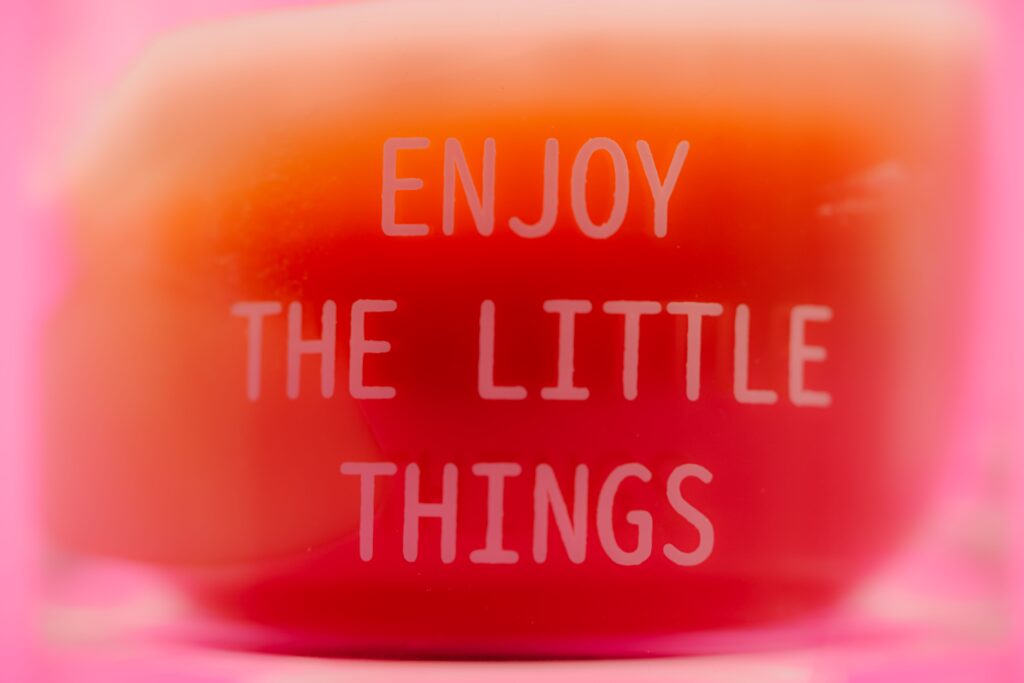
Micro-Joy: Recipe for Good Living
Micro-joy, like savoring a cup of coffee, taking a quick walk in the sun or receiving a heartwarming message from a friend, do more than brighten a moment of your life. Research shows that they build resilience, reduce stress and compound into lasting mental health gains in ways that grand achievements often cannot.
We celebrate promotions, graduations and sometimes even major breakups with equal ceremony. But life’s emotional architecture is mostly built from smaller, quieter moments of positivity that accumulate over time. So while the celebrations give you something to look forward to, it’s the brief laugh with a colleague, the five minutes of morning sunlight on your face and the little check on your to-do list that does the essential work of nudging your current day forward.
On the other hand, years of research have proven that small, everyday moments are actually more effective at relieving stress and nurturing long-term mental well-being than major accomplishments. When they occur regularly, these micro-joys create a compounding effect—broadening our perspective and lifting our positive emotions over time. Continuously cultivating these small positive experiences helps maintain this momentum, keeping your optimism grounded and building long-lasting mental resilience.

Why Micro-Joy Matters
The beauty of micro-joys is that you are entirely free to create and savor them in your own way. A stranger’s fleeting smile, a warm morning ray of sunlight, or a rich sip of coffee… any of these can instantly lift your mood and fuel your day with positive energy. When you learn to appreciate simple things, you begin to see that life is still full of wonderful moments worth smiling about and being grateful for.
Practicing gratitude for the small things changes how you face stress. By actively tuning into these moments of delight, you stop dwelling on negative thoughts or letting pressure pull you down. Of course, micro-joys don’t make difficulties disappear, but they uncover simple pleasures you might otherwise miss. Put simply, micro-joys act as a gentle reminder: today was just one bad moment amidst many good ones, don’t let that single flaw define your entire day.
Why Micro-Joys Give Macro Mental Health Gains
How often you feel joyful throughout the day actually matters more than how big that joy is. Because small positive moments occur far more frequently than major events, they help you sustain a good mood longer and relieve stress much more effectively than occasional bursts of happiness.
What’s more, micro-joys are entirely within your control to create, unlike rare big milestones that depend heavily on external circumstances. You can start accumulating this positive energy today through simple daily activities, such as taking a walk in a new park each week, reaching out to a friend who lives far away, or wrapping up a small creative project.
In addition, completing short-term goals lightens your brain’s cognitive load, helping ease daily pressure and sluggishness. When you feel a sense of progress, it becomes much easier to shake off procrastination and negative thoughts, which are also the two main culprits behind low moods and feeling stuck in life.
Finally, these brief moments of joy stimulate your thinking and creativity. As a result, you gain extra energy and a positive outlook to keep achieving better outcomes in the future.
The Many Places to Find Micro-Joy
Clinical psychology clearly illustrates the power of small, rewarding activities in increasing one’s overall level of positivity. For instance, behavioral activation, an evidence-based treatment for depression, asks patients to engage in manageable positive behaviors, that are often extremely small at first, to introduce reinforcing experiences into their lives.
A 2021 literature review confirms that the seemingly simple and uncomplicated intervention of behavioral activation reliably reduces depressive symptoms by increasing activity and day-to-day positive reinforcement. So, instead of waiting for patients to change their mood so they can change their behavior, clinicians focus on changing their daily behavior incrementally so micro-joys become the engine of recovery. But the benefits of micro-joys aren’t just limited to mood and affect; they also bleed into one’s productive life. Teresa Amabile and Steven Kramer’s research on the progress principle shows that perceived incremental progress and regular, small wins have an outsized effect on motivation and wellbeing at work. Their findings show that people thrive when they can see forward movement, even if the steps are tiny. That steady sense of progress supports mood, self-efficacy and engagement in ways that intermittent large successes often blow past.
This is the main reason micro-goals (and their resulting micro-joys) often outperform ambitious, infrequently met targets. They shrink the gap between intention and action and allow people to “win” something everyday.
Remarkably, it’s not only the number of positive moments that increase everyday joy, but also how they are experienced. Savoring strategies that aim to consciously extend positive experiences amplify the benefits of micro-joys. Even research shows that simple savoring interventions increase positive emotions and improve coping after stressors. Savoring can be anticipatory (looking forward), in-the-moment (fully attending) or reminiscing (re-living). Each mode boosts positive affect and builds the psychological resources Fredrickson describes.

Practical Micro-Joy Habits You Can Start Today
Ironically, the simplest things are often the hardest to start because you just don’t know where to begin. If you’re feeling stuck, here are a few gentle ideas to get you started:
- Schedule two short breaks a day (just 5–15 minutes): Do something that feels both familiar and fresh to change your pace. For example, order a new drink at your usual coffee shop, or listen to a newly released track by your favorite artist during your lunch break.
- Slow down and take it in: Each day, try to notice three small details around you—the rich flavor of your lunch, the earthy scent of rain floating through the window, or the gentle rustle of leaves right outside your porch.
- Jot down a few things that brought you comfort: At the end of the day, write down 1 to 3 things that made you smile or feel grateful. Keep them in a journal or a quick phone note so you can revisit them whenever you need a boost.
- Acknowledge one small thing you accomplished: No matter how minor the task, looking back at what you completed reminds you that your day was far from wasted.
- Listen to a song you love, and truly enjoy it: Music can shift your mood instantly. Instead of using it just as background noise, intentionally pick a favorite track while cooking, cleaning, or taking a walk. Spending just a few minutes immersing yourself in the rhythm and lyrics is enough to make your heart feel a little lighter

The Impact of Micro-Joy on Positivity
Embracing micro joys can lead to a more positive and fulfilling life. By focusing on the small moments of happiness, we can shift our mindset from seeking grand sources of joy to appreciating everyday pleasures. This shift not only enhances our overall well-being but also helps us build a more resilient and positive outlook on life. Microjoys remind us that happiness is not a destination but a journey, filled with countless moments of joy. By learning to recognize and savor these moments, we can cultivate a more positive and contented life. In conclusion, microjoys are powerful tools for enhancing our positivity and well-being. By incorporating these small moments of joy into our daily lives, we can create a more resilient and optimistic mindset. So, take a moment today to notice and appreciate the micro joys around you – they might be the key to a happier, more fulfilling life.

This article is compiled and referenced by Psychub from:
The Wellness Corner
Cottonwood Psychology
Harpers Bazaar India
Psychology Today