Counselling - Psychotherapy
Psychological counseling and therapy is a collaborative process where individuals, couples, or families (commonly referred to as clients) work with a mental health professional to explore difficulties and challenges in daily life and work
COUNSELLING - PSYCHOTHERAPY
WHAT IS COUNSELLING AND PSYCHOTHERAPY?
PSYCHOLOGICAL COUNSELLING AND THERAPY – A COLLABORATIVE PROCESS
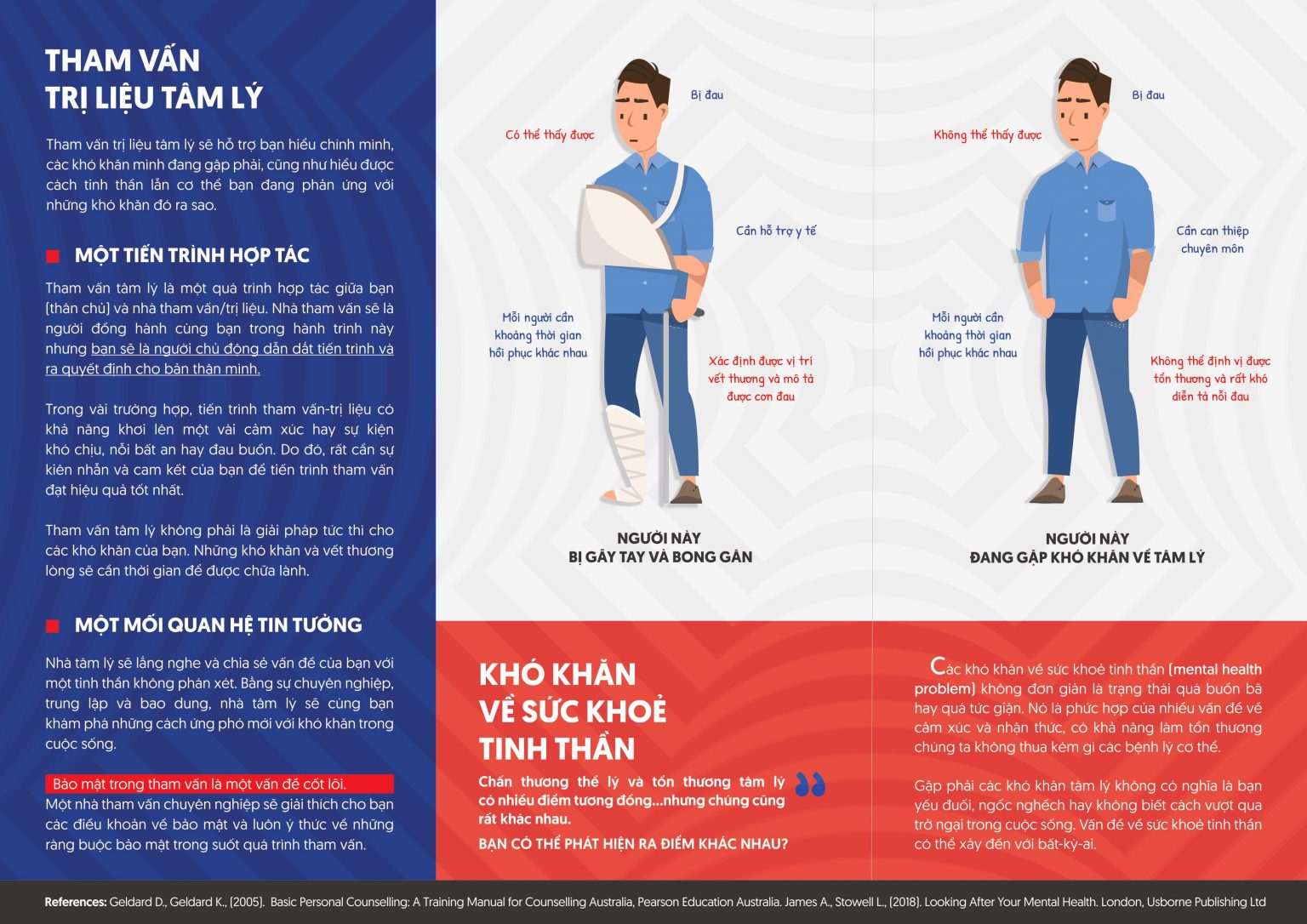
Psychological counselling and therapy is a collaborative process between you (the client) and a counsellor or therapist. While the counsellor provides professional guidance and support throughout the journey, you remain the one who actively leads the process and makes decisions for yourself.
At times, counselling and therapy may bring up difficult emotions, uncomfortable experiences, or feelings of anxiety and grief. For this reason, patience and commitment are essential for the process to be effective. Psychological counselling and therapy is not an instant solution to life’s challenges; emotional wounds and personal struggles take time to heal.
You may choose to talk about difficult life events, your relationships, or your emotional experiences. You may also wish to explore and change unhelpful thoughts or behaviours. Throughout this process, the counsellor or therapist is there to listen, empathise, and deeply understand your story.
PSYCHOLOGICAL COUNSELLING AND THERAPY: A RELATIONSHIP OF TRUST AND CONFIDENTIALITY
Counsellors listen to and explore your concerns with a non-judgmental attitude. With professionalism, compassion, and neutrality, they work alongside you to discover new ways of coping with life’s challenges.
Confidentiality is a core principle of psychological counselling and therapy. Sessions take place in a safe and confidential environment. A professional counsellor will clearly explain confidentiality terms and remain mindful of these ethical obligations throughout the entire therapeutic process. Therapists are required to undergo professional training and clinical supervision before working with clients.
CLARIFYING COMMON MISCONCEPTIONS
It is NOT about:
– Giving advice
– Judging you or your thoughts and behaviours
– The mental health professional solving your problems on your behalf
– Expecting or encouraging you to behave according to the counsellor’s personal wishes or preferred ways
– Viewing your concerns through the counsellor’s personal opinions, experiences, or subjective emotions
Psychological counselling and therapy IS:
– A collaborative and respectful process
– A safe, confidential, and non-judgmental space for exploration
– An opportunity to better understand yourself, your emotions, thoughts, and behaviours
– A process that supports you in developing healthier coping strategies and responses
– A journey that empowers you to make your own informed choices and decisions
– A professional relationship grounded in ethical practice, evidence-based knowledge, and clinical supervision
WHY DO WE SEEK PSYCHOLOGICAL COUNSELLING AND THERAPY?
Mental health challenges are not simply moments of sadness or anger. They are often complex experiences involving emotions and thoughts that can be just as physical illness. At times, life presents difficulties that feel overwhelming, and seeking support from a trained professional can help you navigate and move through them.
There is nothing wrong or shameful about asking for help. Experiencing psychological difficulties does not mean you are weak or incapable. Mental health concerns can affect anyone, and psychological counselling and therapy is for everyone, regardless of gender, age, race, or religion.

WHEN SHOULD WE SEEK PSYCHOLOGICAL COUNSELLING AND THERAPY?
1/When you feel unable to move beyond ongoing distress or sadness, despite trying many ways to cope – particularly if you are experiencing one or more of the following:
- – Difficulty managing daily self-care and personal functioning
- – Difficulty communicating or maintaining healthy family and social relationships
- – Difficulty working, poor concentration, or significant work-related delays
- – Changes in appetite or inability to eat normally
- – Lost of interest or pleasure in activities you once enjoyed
2/ When important areas of your life are significantly affected, such as:
- – Emotional instability (persistent anxiety, prolonged stress, frequent feelings of distress or agitation)
- – Sleep disturbances, including chronic insomnia or excessive sleeping
- – Thoughts of suicide and/or harming yourself or others
- – Loss of life balance – being unable to work, disengaging from family or friends, losing interest in activities, and feeling the need of support in finding solutions to life challenges
- – Substance use disorders, including misuse, abuse, or dependence on substances (such as alcohol. tobacco, or other addictive substances)</l
3/ When family and relationships become a source of unhappiness, conflict, stress, or exhaustion, including:
- – Family conflicts (difficulties between partners in communication and interaction, parenting approaches, or the division of responsibilities)
- – Challenges during the period of engagement or early marriage, experiences of divorce, and marital conflicts before, during, or after pregnancy and childbirth
- – Intergenerational conflicts within the family
- – Workplace conflicts and experiences of occupational burnout
4/ When a distressing event or life experience continues to cause discomfort or intrusive distress that you find difficult to overcome:
Most people will experience at least one painful or traumatic event in their lives, and over time, many are able to adapt and move onward. However, in some cases, past trauma or distressing experiences may continue to cause emotional pain and feel threatening whenever they are remembered or spoken about. Below are some experiences that are more likely to lead to ongoing distress and longer-term psychological effects:
- – Car or motorcycle accidents
- – Sports-related injuries
- – Sexual assault or abuse
- – Childbirth-related experiences
- – Domestic violence
- – Bullying or harassment
- – The death of a loved one
- – Relationship breakdowns or separation
- – Witnessing violence
5/ Preparing for life changes:
Counsellors do not only support you when you are facing overwhelming difficulties. They can also walk alongside you as you plan for life changes that may be exciting yet challenging:
- – Choosing a field of study or career path
- – Relocating or changing workplaces
- – Starting a business or new venture
- – Preparing for pregnancy and parenthood
- – Gender transition
SAIGON PSYCHUB - A PROVIDER OF PROFESSIONAL PSYCHOLOGICAL COUNSELLING AND THERAPY SERVICES
Located at SH07, Aqua 2 Tower, Vinhomes Golden River, 2 Ton Duc Thang Street, Sai Gon Ward, Psychub provides professional psychological counselling and therapy services for individuals, couples, families, and corporate clients.
Saigon Psychub always prioritizes the interests and wellbeing of clients and service users, ensuring they receive the highest quality of care. Confidentiality and professional ethics are strictly upheld by the management team, staff, and all counsellors and therapists.
With an extensive interdisciplinary and multidisciplinary professional network, Saigon Psychub offers clients an appropriate and comprehensive support system. When necessary, clients may be preferred to or connected with the most reputable specialists or institutions. This reflects Psychub’s commitment to placing clients’ needs first and to ensuring effectiveness in therapeutic process.
Psychub is a pioneering center in training new professionals in the field of psychology, as well as providing structured and professional consultation, clinical supervision services. These efforts aim to deliver the best possible services while continuously improving professional and clinical standards.